Պսիլիումի կեղև. Օգուտները, դեղաչափը, անվտանգությունը և օգտագործման եղանակը
111 292 Դիտումներ
Գիտականորեն հիմնավորված
iHerb-ն ունի մատակարարման խիստ ուղեցույցներ և հիմնվում է գրախոսվող հետազոտական հաստատությունների, բժշկական ամսագրերի և հեղինակավոր լրատվական կայքերի վրա։ Այս նշանը ցույց է տալիս, որ ուսումնասիրությունների, ռեսուրսների և վիճակագրության ցանկը կարելի է գտնել էջի ներքևի մասում գտնվող հղումների բաժնում։
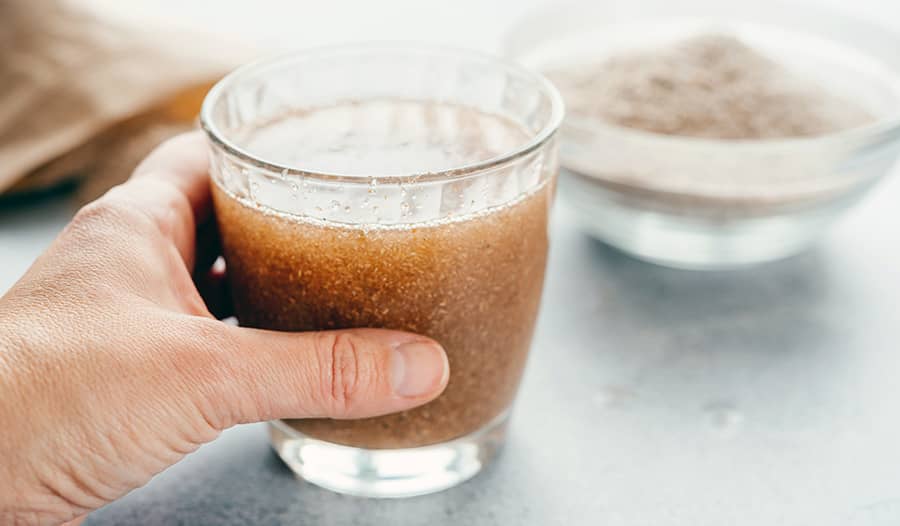
Պսիլիումի կեղևը լուծելի, գել առաջացնող մանրաթել է Plantago ovata-ի սերմերից։ Ջրի հետ խառնելով՝ այն ուռչում է՝ վերածվելով գելի, որը մեծ մասամբ անվնաս տեղաշարժվում է աղիներով։
Այն գործում է երկու ուղղություններով. այն թեթևացնում է պարբերաբար առաջացող փորկապությունը՝ կղանքը մեծացնելով և փափկացնելով, և ամրացնում է հեղուկի ավելցուկը կլանելով։
Սկսեք ցածր՝ մոտ 1⁄2 թեյի գդալով, և 1-2 շաբաթվա ընթացքում ավելացրեք ձեր նպատակային դեղաչափը՝ միշտ առնվազն 8 ունցիա (240 մլ) ջուր մեկ դեղաչափի համար։ Հեղուկի չափազանց քիչ քանակությունը խեղդման և, հազվադեպ, աղիքային խցանման հիմնական պատճառն է։
Պսիլիումը պետք է առանձնացվի բանավոր ընդունվող դեղամիջոցներից առնվազն 2-3 ժամվա ընթացքում։ Այն կարող է դանդաղեցնել դեղամիջոցների, այդ թվում՝ դիգոքսինի, ասպիրինի, վահանաձև գեղձի և շաքարախտի որոշ դեղամիջոցների և այլնի կլանումը։
Ի տարբերություն ուժեղ խմորված մանրաթելերի, ինչպիսիք են ինուլինը կամ ցորենի դեքստրինը, պսիլիումը խմորվում է միայն նվազագույնի։ Ահա թե ինչու այն ավելի քիչ գազեր է առաջացնում, բայց նաև նշանակում է, որ դրա «պրեբիոտիկ» ազդեցությունն ավելի համեստ է, քան մարքեթինգը հաճախ ենթադրում է։
Խուսափեք պսիլիումից, եթե ունեք աղիքային խցանում, կուլ տալու դժվարություն կամ աղիների նեղացում (ստրիկտուրա), և նախ դիմեք բժշկի, եթե ունեք շաքարախտ, երիկամների հիվանդություն կամ հղի եք։
Այս ուղեցույցը ներկայացնում է, թե ինչ է պսիլիումի կեղևը, ինչ են իրականում հաստատում ապացույցները (և որտեղ է այն ավելի նոսր, քան մարքեթինգային առաջարկներն են առաջարկում), որքանով ընդունել տարբեր նպատակներով, ինչպես այն անվտանգ ընդունել, ինչպես է այն համեմատվում այլ մանրաթելերի հետ և ինչին ուշադրություն դարձնել գնելիս։
Ի՞նչ է պսիլիումի կեղևը։
Պսիլիումի կեղևը Plantago ovata սերմի արտաքին ծածկույթն է և այն լուծվող մանրաթելի ամենախտացված սննդային աղբյուրներից մեկն է։ Հիմնական առանձնահատկությունը դրա վարքագիծն է ջրում. այն մածուցիկ, գել առաջացնող մանրաթել է։ Խառնեք այն մի բաժակ հեղուկի մեջ, և մի քանի րոպեի ընթացքում այն կխտանա՝ վերածվելով փափուկ գելի։ Այդ գելը մեխանիզմն է, որի վրա հիմնված է պսիլիումի գրեթե բոլոր գործառույթները մարմնում՝ սկսած կղանքի մեղմացումից մինչև շաքարի և խոլեստերինի կլանման արագության դանդաղեցումը։
Դուք կտեսնեք պսիլիումը վաճառվող մի քանի տարբեր ձևերով, և պիտակները փոխարինելի չեն՝
Դարակների վրա կտեսնեք ձևեր
Պսիլիումի ամբողջական սերմեր. Անվնաս սերմը պարունակում է թե՛ կեղևը, թե՛ ներքին սերմը, ինչը մեկ գրամի համար ապահովում է ավելի քիչ լուծվող մանրաթել, քան պսիլիումի կեղևը։
Պսիլիումի կեղևի փոշի. Պսիլիումի կեղևը մանրացված է ավելի նուրբ փոշու մեջ՝ ավելի հեշտ խառնելու համար։ Այն ապահովում է նույն մանրաթելը և առողջարար հատկությունները, ինչ ամբողջական կեղևը, բայց ավելի հարթ է լուծվում հեղուկների մեջ։
Հումքից բացի, պսիլիումը փաթեթավորվում է որպես չփաթեթավորված կեղև, աղացած փոշի (սովորական կամ համեմված), պարկուճներ, հատիկներ և վաֆլիներ, և այն ավելացվում է որոշ բարձր մանրաթելային հացահատիկայիններին և թխվածքաբլիթներին։ Ծանոթ առանց դեղատոմսի վաճառվող դեղամիջոցները, ինչպիսիք են Metamucil-ը, Fybogel-ը և Konsyl-ը, հիմնված են պսիլիումի վրա: Կապսուլները հարմար են, բայց յուրաքանչյուրը պարունակում է միայն փոքր քանակությամբ մանրաթել, ուստի թերապևտիկ դեղաչափ ստանալու համար կարող է անհրաժեշտ լինել դրանցից շատերը կուլ տալ. փոշին սովորաբար խոլեստերինի կամ արյան մեջ շաքարի մակարդակի նպատակներին հասնելու ավելի գործնական ուղին է:
Ինչո՞ւ է պսիլիումի կեղևը կարևոր մարդկանց մեծամասնության համար։
Պսիլիումի կեղևը կարևոր է, քանի որ մանրաթելերի միջև եղած բացը գրեթե համընդհանուր է։ ԱՄՆ չափահասների մոտ 95%-ը չի բավարարում խորհուրդ տրվող մանրաթելի քանակը, որը ամերիկացիների համար նախատեսված սննդային ուղեցույցներում երկու տասնամյակ շարունակ նշվել է որպես «մտահոգիչ սննդանյութ»։ ԱՄՆ Սննդի և դեղերի վարչությունը (Սննդի և դեղերի վարչություն) մանրաթելի օրական նորման 28 գրամ է։ Ընդհանուր նպատակային նորման կանանց համար օրական մոտ 25 գրամ է, իսկ 50 տարեկանից փոքր տղամարդկանց համար՝ 38 գրամ, իսկ 50 տարեկանից հետո՝ մի փոքր պակաս։ Միջին ամերիկացին ուտում է մոտ 15-16 գրամ։ Այդ պակասը մանրաթելին արձագանքող խնդիրների, անկանոնության, LDL-ի բարձրացված և ուտելուց հետո գլյուկոզի կտրուկ տատանումների պատճառներից մեկն է։
Պսիլիումը չի փոխարինի բանջարեղենի, լոբու և ամբողջական հացահատիկի մի ափսեի, և չպետք է փոխարինի։ Սակայն որպես կանխատեսելի ժամանակացույցով մի քանի գրամ լուծվող մանրաթել ավելացնելու նպատակային միջոց, սա շուկայում առկա լավագույն ուսումնասիրված տարբերակներից մեկն է։
Որո՞նք են պսիլիումի կեղևի հիմնական առավելությունները։
Պսիլիումի կեղևը առավել հայտնի է որպես լուծողական, սակայն դրա գելային քիմիական կառուցվածքը թույլ է տալիս ավելի լայն ազդեցություն ունենալ աղիքների վրա՝ խոլեստերինի և գլյուկոզի նյութափոխանակության մեջ, ինչպես նաև ախորժակի վրա։ Ահա թե ինչ է հաստատում հետազոտությունը, և որքան ուժեղ է այդ աջակցությունը իրականում։
Ժամանակ առ ժամանակ փորկապության թեթևացում
Պսիլիումը գործում է որպես ծավալ առաջացնող լուծողական։ Այն կլանում է ջուրը աղիներում, մեծացնելով կղանքի չափը և ջրի պարունակությունը, ուստի այն ավելի հեշտությամբ է անցնում՝ առանց խթանիչ լուծողականների հետ կապված կծկումների և կախվածության ռիսկի։ Քանի որ այն գործում է մեխանիկորեն, այլ ոչ թե մկանների կծկումներ պարտադրելով, այն նուրբ է և կարող է մեկից երեք օր պահանջվել աղիքների դատարկում առաջացնելու համար։ Վերահսկվող փորձարկումները և մանրաթելային հավելումների թարմացված համակարգված վերանայումը երկուսն էլ աջակցում են պսիլիումի օգտագործմանը՝ կղանքի հաճախականությունը և հետևողականությունը բարելավելու համար պատահական փորկապության դեպքում։1
Օգնում է պարբերաբար առաջացող թաց կղանքի դեպքում
Նույն ջուրը կլանող գելը, որը մեղմացնում է կոշտ կղանքը, նաև ամրացնում է հեղուկ կղանքը։ Երբեմն թաց կղանքի դեպքում պսիլիումը կլանում է աղիքների ավելորդ հեղուկը՝ ձևավորելով ջրիկ կղանքը։ Այս երկկողմանի ազդեցությունն է պատճառը, որ պսիլիումը օգտակար է ընդհանուր մարսողական հարմարավետության և պարբերաբար աղիքների անկանոնության համար, երբ մարդիկ տատանվում են ծայրահեղությունների միջև։ Plantago ovata-ի կլինիկական ակնարկները ստամոքս-աղիքային հիվանդությունների դեպքում նկարագրում են կղանքի խտության վրա այս նորմալացնող ազդեցությունը։2-4
Աջակցելով առողջ խոլեստերինի մակարդակին
Պսիլիումի գելը որսում է լեղաթթուները բարակ աղիքում և դուրս է բերում դրանք օրգանիզմից։ Դրանք փոխարինելու համար լյարդը արյան հոսքից դուրս է քաշում խոլեստերինը, ինչը նվազեցնում է շրջանառվող LDL-ը։ Արդյունքը իրական է և հաստատուն, բայց արժե անկեղծորեն նշել. մինչ օրս ամենամեծ մետա-վերլուծության մեջ 28 պատահականացված փորձարկումներ, որոնք ներառում են մոտ 10 գրամ պսիլիում, օրական միջինում իջեցրել են LDL խոլեստերինը մոտավորապես 10-13 մգ/դլ-ով՝ ոչ HDL խոլեստերինի և ապոլիպոպրոտեին B-ի նվազման հետ մեկտեղ: Ավելի մեծ տոկոսային անկումներ (մինչև տասներկու տարեկանից բարձր կամ քսան տարեկանից ցածր) իսկապես նկատվում են, բայց հիմնականում այն մարդկանց մոտ, ովքեր սկսում են բարձր խոլեստերինով և հաճախ, երբ պսիլիումը ավելացվում է ցածր յուղայնությամբ սննդակարգին կամ ստատիններով թերապիային:5Ապացույցները բավականաչափ ուժեղ են, որպեսզի FDA-ն թույլատրի սրտի իշեմիկ հիվանդության ռիսկի նվազեցման պնդում պսիլիումի համար՝ օրական 7 գրամ կամ ավելի լուծվող մանրաթելով, հագեցած ճարպերի և խոլեստերինի ցածր պարունակությամբ սննդակարգի շրջանակներում:6
Աջակցելով սրտի առողջությանը
Ըստ պատահականացված փորձարկումների մետա-վերլուծության՝ LDL-ից բացի, պսիլիումը կարող է չափավոր իջեցնել արյան ճնշումը, որն առավել ակնհայտորեն դրսևորվում է այն մարդկանց մոտ, ովքեր ցանկանում են պահպանել առողջ արյան ճնշումը արդեն նորմալ սահմաններում։ Առանձին դեղաչափ-արձագանք մետա-վերլուծությունը ցույց է տվել, որ պսիլիումը բարելավել է մի քանի սրտանոթային ռիսկի մարկերներ, այդ թվում՝ ինսուլինային դիմադրության և արյան մեջ գլյուկոզի մակարդակի չափանիշները։ Սրանք օժանդակ ազդեցություններ են, այլ ոչ թե արյան ճնշման դեղորայքի կամ սրտային խնամքի փոխարինող։7,8
Արյան շաքարի կառավարում
Պսիլիումի գելը դանդաղեցնում է ստամոքսի դատարկումը և ածխաջրերի կլանումը, մեղմացնելով ուտելուց հետո գլյուկոզի մակարդակի կտրուկ տատանումները։ GRADE-ի կողմից գնահատված համակարգված վերանայումը և մետա-վերլուծությունը ցույց են տվել, որ պսիլիումը զգալիորեն իջեցրել է արյան մեջ գլյուկոզի և HbA1c-ի մակարդակը՝ արյան մեջ շաքարի երեք ամսվա միջին մակարդակը, ընդ որում՝ օգուտն առավել արտահայտված է նյութափոխանակության աջակցության կարիք ունեցող մարդկանց մոտ, քան նորմալ գլյուկոզ ունեցողների մոտ։ Եթե դուք ընդունում եք գլյուկոզի մակարդակը իջեցնող դեղամիջոցներ, հենց այդ պատճառով էլ պետք է խորհրդակցեք ձեր բժշկի հետ, նախքան պսիլիումի ընդունումը սկսելը. այն կարող է ուժեղացնել այդ ազդեցությունը, և դեղաչափերը կարող են հսկողության կարիք ունենալ։9
Քաշի կառավարմանը նպաստելը
Ստամոքսում ընդլայնվելով և մարսողությունը դանդաղեցնելով՝ պսիլիումը մեծացնում է հագեցվածության զգացումը, ինչը կարող է նվազեցնել ընդհանուր ընդունումը։ Այդ ազդեցության չափը չափավոր է և չպետք է չափազանցվի. 2023 թվականի մետա-վերլուծությունը ցույց է տվել, որ օրական մոտ 11 գրամ պսիլիում, որը ընդունվել է ուտելուց առաջ գրեթե 5 ամիս, կրճատել է մարմնի քաշը մոտավորապես 4-5 ֆունտով և կրճատել իրանի շրջագիծը քաշի կարգավորմանը կենտրոնացած մարդկանց շրջանում: Օգտակար է որպես մեկ լծակ ավելի լայն ծրագրում. ոչ թե քաշի կորստի դեղամիջոց։10,11
Արդյո՞ք պսիլիումը իրականում պրեբիոտիկ է։
Պսիլիումը հաճախ շուկայում է որպես պրեբիոտիկ, և այս պնդումը մասամբ ճիշտ է, բայց հաճախ չափազանցված։ Իսկական պրեբիոտիկը աղիքային մանրէների կողմից խմորվում է կարճ շղթայով ճարպաթթուների, ինչպիսին է բուտիրատը, վերածվելով։ Պսիլիումը գել առաջացնող, նվազագույն խմորման ենթարկված մանրաթել է, հենց այդ պատճառով էլ այն ավելի քիչ գազ է արտադրում, քան ինուլինը կամ ցորենի դեքստրինը։ Պսիլիումի և միկրոբիոտայի վերաբերյալ հետազոտությունները ցույց են տալիս, որ այն կարող է փոխել որոշակի մանրէների առատությունը և համեստորեն նպաստել կարճ շղթայով ճարպաթթուների արտադրությանը, սակայն դրա ազդեցությունը միկրոբիոմի վրա ավելի փոքր է, քան բարձր ֆերմենտացման ենթակա մանրաթելերինը։11 Ամփոփելով՝ պսիլիումը առաջարկում է որոշ պրեբիոտիկանման առավելություններ, բայց դրա հիմնական արժեքը մեխանիկական է, այլ ոչ թե խմորման։ Եթե ձեր միակ նպատակը միկրոբիոմի կայուն փոփոխությունն է, ապա ձեզ ավելի շատ կհամապատասխանի ֆերմենտացվող մանրաթելը։ Եթե ցանկանում եք աղիքային կանոնավորություն, խոլեստերինի և գլյուկոզի օգտակար հատկություններ՝ նվազագույն գազերի հետ մեկտեղ, ապա պսիլիումն ավելի լավ ընտրություն է։
Ինչպե՞ս եք ընդունում պսիլիումի կեղևը։
Պսիլիումի կեղևը հեշտ է օգտագործել, բայց ամենակարևոր երկու կանոններն են՝ սկսել քիչ քանակությամբ և խմել բավարար քանակությամբ ջուր։ Գիշերը մեծ քանակությամբ մանրաթել ավելացնելը փքվածության և կծկումների ամենաարագ ճանապարհն է, իսկ պսիլիումի ընդունումը չափազանց քիչ հեղուկով այս հավելանյութի անվտանգության ամենակարևոր խնդիրն է։
Սկսեք մոտ 1⁄2 թեյի գդալով օրական մեկ անգամ և մեկ-երկու շաբաթվա ընթացքում ավելացրեք ձեր նպատակային քանակին։ Խառնեք փոշին կամ կեղևը առնվազն 8 ունցիա (240 մլ) ջրի կամ հյութի հետ և անմիջապես խմեք, մինչև այն լիովին ներծծվի, ապա խմեք ևս մեկ բաժակ ջուր և շարունակեք խոնավացնել ձեր օրգանիզմը ամբողջ օրվա ընթացքում։ Եթե օգտագործում եք պարկուճներ, ընդունեք դրանք մի լիքը բաժակ ջրով, այլ ոչ թե մի կումով։12
Ժամկետները կախված են ձեր նպատակից։ Ընդհանուր կանոնավորության համար ցանկացած հետևողական ժամանակ գործում է։ Արյան մեջ շաքարի մակարդակի կամ քաշի նպատակներին հասնելու համար, պսիլիումի ընդունումը ուտելուց կարճ ժամանակ առաջ առավելագույնս կօգտագործի դրա ստամոքսային դանդաղեցման ազդեցությունը։ Անկախ ընդունման գրաֆիկից, պսիլիումը ցանկացած բանավոր դեղամիջոցից առանձնացրեք առնվազն 2-3 ժամով, քանի որ գելը կարող է դանդաղեցնել դեղամիջոցի կլանումը։
Օրական որքա՞ն պսիլիումի կեղև պետք է ընդունել։
Պսիլիումի կեղևի դեղաչափը կախված է նրանից, թե ինչի եք ձգտում հասնել, և ստորև բերված միջակայքերը արտացոլում են այն, ինչ նկարագրում են ճանաչված մարմինները և կլինիկական ակնարկները։ Վերաբերվեք դրանց որպես մեկնարկային հղումներ, այլ ոչ թե դեղատոմսեր, և զարգացրեք դրանք աստիճանաբար՝ վերևից սկսելու փոխարեն։
Ընդհանուր մանրաթելային աջակցություն՝ 5–10 գ (Բաշխված օրվա ընթացքում. օգնում է լրացնել ամենօրյա մանրաթելային պակասը)
Ժամանակ առ ժամանակ փորկապության դեմ դեղամիջոց՝ 7–14 գ (ծավալուն խտություն է առաջացնում, թողեք 1–3 օր և շատ ջուր խմեք)
Խոլեստերինի կառավարում. 10–15 գ (FDA-ի սրտի առողջության պահանջի շեմը ≥7 գ լուծվող մանրաթել/օր է)
Արյան մեջ շաքարի հավասարակշռություն՝ ~10 գ (Լավագույնս ընդունել ուտելուց առաջ. վերահսկել, եթե ընդունում եք գլյուկոզի մակարդակը իջեցնող դեղամիջոցներ)
Սրտի առողջության համար, FDA-ի կողմից հաստատված պնդումը հիմնված է օրական 7 կամ ավելի գրամ պսիլիումից ստացված լուծվող մանրաթելի վրա։ Հարվարդի առողջապահության և կլինիկական պրակտիկայի բաժինները հաճախ նկարագրում են մոտավորապես 10-20 գրամ խոլեստերինին ուղղված դեղաչափերի բաժանումը երկու կամ երեք բաժնի միջև՝ ուտելուց առաջ։13 Ավելի բարձր դեղաչափերին պետք է մոտենալ դանդաղ և բժշկական խնդիր ունեցող յուրաքանչյուրի համար՝ բժշկի մասնակցությամբ։
Եթե դուք սովոր չեք շատ մանրաթել օգտագործելուն, ապա մի քանի շաբաթվա ընթացքում ավելացրեք չափաբաժինը և կարգավորեք այն ամենացածր սահմաններում։ Հանդուրժողականությունը ձևավորվում է, իսկ շտապողականությունը միայն առաջին շաբաթը տխուր է դարձնում։
Որո՞նք են կողմնակի ազդեցությունները և նախազգուշական միջոցները։
Պսիլիումը անվտանգ է մարդկանց մեծամասնության համար, երբ այն օգտագործվում է ճիշտ, իսկ «ճիշտ» բառը հիմնականում նշանակում է բավարար քանակությամբ ջուր և աստիճանական ավելացում։ Հաճախակի ազդեցությունները թույլ են և սովորաբար անհետանում են, երբ ձեր աղիները հարմարվում են։
Հազվագյուտ, բայց լուրջ ազդեցությունները արժանի են ուշադրության։ Ալերգիկ ռեակցիաներ (մաշկի ցան, շնչառության դժվարություն) կարող են առաջանալ, մասնավորապես՝ մասնագիտական շփման մեջ գտնվող մարդկանց մոտ: Ավելի արդիական է ամենօրյա օգտագործման համար. պսիլիումի քիչ քանակությամբ ընդունումը կարող է կոկորդի կամ աղիների այտուց առաջացնել, ինչը կարող է հանգեցնել խեղդման կամ, փաստաթղթավորված դեպքերում, աղիքային խցանման։ Հրապարակված դեպքի զեկույցում նկարագրվում է մի երիտասարդ չափահասի, ով աղիքային խցանում է զարգացրել՝ առանց բավարար հեղուկի պսիլիումի կեղև ընդունելուց հետո, ինչը կարելի էր կանխել ջրի պատճառով։
Խուսափեք պսիլիումից կամ օգտագործեք այն միայն բժշկի հսկողության ներքո, եթե ունեք աղիքային խցանում, կուլ տալու դժվարություն, աղիքի հայտնի նեղացում (ստրիկտուրա) կամ երիկամների հիվանդություն։ Եթե ձեզ նյութափոխանակության աջակցություն է անհրաժեշտ, համակարգեք ձեր բժշկի հետ, որպեսզի արյան մեջ շաքարի մակարդակը կարողանա վերահսկվել սկզբնական շրջանում։
Ո՞ր դեղամիջոցներն ու վիճակներն են փոխազդում պսիլիումի հետ։
Քանի որ պսիլիումը գել է առաջացնում և դանդաղեցնում է աղիքներում նյութերի կլանման արագությունը, այն կարող է բթացնել կամ հետաձգել բանավոր ընդունվող դեղամիջոցների կլանումը, ուստի այս բաժինը պարտադիր չէ, եթե դուք ընդունում եք որևէ օրական դեղատոմս։
Կարևոր անվտանգության կանոն. դեղորայքի միջև հեռավորությունը
Պսիլիումի կեղևը միշտ առանձնացրեք ցանկացած բանավոր դեղամիջոցից առնվազն 2-3 ժամվա ընդմիջումով։ Քանի որ պսիլիումը առաջացնում է խիտ գել, այն կարող է դանդաղեցնել կամ նվազեցնել կարևոր դեղամիջոցների, այդ թվում՝ վահանաձև գեղձի հորմոնների, սրտի դեղամիջոցների և որոշ հակաբիոտիկների կլանումը։ Երբ կասկածում եք, հարցրեք ձեր դեղագործին ձեր կոնկրետ դեղատոմսերի մասին։
MedlinePlus-ի նման դեղերի վերաբերյալ տեղեկատվական աղբյուրներից ստացված հետևողական, ապացույցների վրա հիմնված կանոնն այն է, որ պսիլիումի և բանավոր դեղամիջոցների միջև ընկած ժամանակահատվածը պետք է լինի առնվազն 2-3 ժամ։ Հատուկ զգուշացումները ներառում են՝
Դիգոքսին (սրտի դեղամիջոց). պսիլիումը կարող է նվազեցնել դրա կլանումը. պահպանեք առնվազն մի քանի ժամվա հեռավորություն։
Սալիցիլատների / ասպիրինի կլանումը կարող է նվազել. առանձին դեղաչափեր։
Նիտրոֆուրանտոին (հակաբիոտիկ). ընդունեք այն պսիլիումից առանձին։
Շաքարային դիաբետի դեղամիջոցներ. պսիլիումի սեփական գլյուկոզի իջեցման ազդեցությունը կարող է ուժեղանալ ինսուլինի կամ բանավոր ընդունվող դեղամիջոցների հետ՝ մեծացնելով արյան մեջ շաքարի ցածր մակարդակի հավանականությունը. վերահսկեք և համակարգեք դեղաչափերը։
Վահանաձև գեղձի հորմոն (լևոթիրոքսին), լիթիում և այլ նեղ եզրով դեղամիջոցներ. քանի որ մանրաթելը կարող է կապվել և դանդաղեցնել կլանումը, հեռավորությունը և մոնիթորինգը կարևոր են. դիմեք ձեր դեղագործին։
Հիվանդությունների առումով զգույշ եղեք բորբոքային կամ կառուցվածքային ստամոքս-աղիքային խնդիրների դեպքում։ Մարսողական համակարգի ընդհանուր հարմարավետության և պարբերաբար աղիքների անկանոնության համար պսիլիումը, որպես կանոն, լավ է տարվում և հաճախ օգտակար է, չնայած որոշ մարդիկ նկատել են, որ ցանկացած ավելացված մանրաթել կարող է ժամանակավորապես վատթարացնել փքվածությունը։ Այստեղ ամենակարևորը մեկնարկային ցածր մակարդակից մոտեցումն է։ Ակտիվ սրացումների, նեղացումների կամ խցանման պատմության դեպքում նախ դիմեք կլինիկական խորհրդատվության: Հղիության և կրծքով կերակրման ընթացքում պսիլիումի վատ կլանումը այն դարձնում է ավելի պահպանողական մանրաթելային տարբերակներից մեկը, բայց այնուամենայնիվ, արժե համաձայնեցնել այն ձեր բժշկի հետ:
Այս ամենը ամրապնդում է ջրի և տարածության օգտագործման սովորությունը՝ բավարար քանակությամբ հեղուկ և բուֆեր պսիլիումի և ձեր դեղահաբերի միջև։
Ինչպե՞ս է պսիլիումը համեմատվում այլ մանրաթելային հավելումների հետ։
Պսիլիումի կեղևը առանձնանում է մանրաթելային հավելումների շարքում իր պարբերական փորկապությամբ և թանձր կղանքի ազդեցությամբ, ինչպես նաև սրտանոթային և նյութափոխանակության վերաբերյալ իր ապացույցներով։ Բայց սա միակ տարբերակը չէ, և ճիշտ մանրաթելը կախված է ձեր նպատակից և ձեր աղիքների խմորման նկատմամբ հանդուրժողականությունից: Ահա թե ինչն է յուրաքանչյուրը առանձնացնում՝
Psyllium. Աղբյուրը Plantago ovata կեղևից: Այն գել առաջացնող է, օգնում է ինչպես պատահական փորկապության, այնպես էլ թաց կղանքի դեպքում, և ունի ապացույցներ, որոնք նպաստում են LDL-ի և գլյուկոզի մակարդակի կարգավորմանը։
Մեթիլցելյուլոզ. Ստացված է բուսական ցելյուլոզից։ Այն ծավալ առաջացնող է և չի ֆերմենտացվում, բայց չունի որևէ հատուկ նյութափոխանակության պահանջներ։
Ցորենի դեքստրին. Ստացված է ցորենի օսլայից։ Այն լիովին լուծվում է թափանցիկ, բայց պակաս արդյունավետ է չամրացված կղանքի ամրացման համար։
Տապիոկային դիմացկուն դեքստրին. Ստացված է տապիոկայի օսլայից։ Սա լուծելի, ցածր մածուցիկության պրեբիոտիկ է, որը նպաստում է օգտակար աղիքային մանրէների զարգացմանը, աղիքների կանոնավոր գործունեությանը, հագեցվածության զգացողությանը և առողջարար գլյուկոզի մակարդակին ուտելուց հետո։
Ինուլին. Ստացվում է ցիկորիի արմատից և Երուսաղեմի արտիճուկից։ Այն ուժեղ ֆերմենտացվող իսկական պրեբիոտիկ է, որը խիստ արդյունավետ է աղիքային մանրէները սնուցելու համար։
Չիա և կտավատի սերմ. Ստացված սերմերից։ Սա ամբողջական սննդային տարբերակ է, որը ապահովում է լուծվող և անլուծելի մանրաթելերի հավասարակշռված խառնուրդ, գումարած օմեգա-3 ALA:
Եթե ձեր առաջնահերթությունը կանոնավորությունն է՝ նվազագույն գազով, պսիլիումի կամ մեթիլցելյուլոզի մոլեկուլներով։ Եթե ցանկանում եք ֆերմենտացվող պրեբիոտիկ և հանդուրժում եք այն, ինուլինը կհամապատասխանի ձեզ։ Եթե ցանկանում եք սննդից ստանալ մանրաթել և առողջ ճարպեր, աղացած կտավատը կամ չիան արժանի են իրենց տեղին։ Պսիլիումի առավելությունը լայնությունն է. այն միակ մանրաթելն է, որն ունի փորկապություն-գումարած ազատ կղանքի միջակայք և ամենաուժեղ կարդիոմետաբոլիկ տվյալների բազան։
Երբ ապացույցները մարքեթինգից ավելի թույլ են
Արժե հստակեցնել սահմանափակումները, քանի որ հավելվածի էջերը հազվադեպ են այդպիսին։ Երեք միավոր առանձնանում են։ Նախ, խոլեստերինի ազդեցությունը իրական է, բայց բացարձակ առումով չափավոր՝ մոտավորապես 10-13 մգ/դլ LDL նվազում օրական մոտ 10 գրամի դեպքում, այլ ոչ թե «մինչև 24%» ցուցանիշ, որը նշվում է մի քանի բարձր բազային փորձարկումներում։ Երկրորդ, քաշի կառավարման ազդեցությունը փոքր է (մի քանի կիլոգրամ ամիսների ընթացքում) և նշանակալից է միայն սննդակարգի փոփոխության հետ մեկտեղ։ Երրորդ, «պրեբիոտիկ» պիտակը գերագնահատում է նվազագույն խմորված մանրաթելը. պսիլիումի օգուտները հիմնականում մեխանիկական են։ Սրանցից ոչ մեկը չի դարձնում պսիլիումը թույլ հավելում. այն այն դարձնում է իսկապես օգտակար, որն առավել հասկանալի է տվյալների իրական ցույց տվածի, այլ ոչ թե տուփի վրա գրված ամենաուժեղ պնդումի համար։
Ինչպե՞ս ընտրել որակյալ պսիլիումի կեղև։
Երբ ընտրում եք պսիլիումի կեղև, մաքրությունն ու փորձարկումը ավելի կարևոր են, քան շքեղ բաղադրությունը։ Փնտրեք մաքուր պսիլիում ՝ առանց ավելացված արհեստական գունանյութերի կամ քաղցրացուցիչների, ցանկալի է՝ օրգանական և ոչ ԳՄՕ ստուգված։ Ինչպես ցանկացած հավելանյութի դեպքում, նախապատվությունը տվեք հեղինակավոր ապրանքանիշի, որը երրորդ կողմի կողմից ստուգվել է որակի և մաքրության համար, քանի որ մանրաթելային արտադրանքը կարող է պարունակել աղտոտման կամ լցանյութի ռիսկեր, որոնք հայտնաբերվում են թեստավորման արդյունքում:
Ձևաչափը որոշեք նպատակին և նախընտրությանը համապատասխան. ազատ կեղևը և փոշին ամենաէժանն են և ամենահեշտը թերապևտիկ դեղաչափի համար. պարկուճները հարմարավետությունը փոխարինում են մեկ բաժնի ավելի քիչ մանրաթելով. համեմված փոշիները օգնում են, եթե պարզ պսիլիումի կառուցվածքը ձեզ անհանգստացնում է: Պահեք այն զով, չոր տեղում՝ փակ տարայի հետ միասին։ Խոնավությունը չոր, ազատ հոսող փոշու թշնամին է։
Պսիլիումի փոշի ընդդեմ Կապսուլներ. Ո՞րն է ավելի լավը:
Պսիլիումի պարկուճները հարմար են և անհամ, բայց ունեն մեկ գործնական թերություն. յուրաքանչյուր պարկուճ սովորաբար պարունակում է ընդամենը մոտ 0.5–0.75 գրամ պսիլիում։ Խոլեստերինին ուղղված 10 գրամ դեղաչափին հասնելու համար դա կարող է նշանակել օրական մոտավորապես 15-20 պարկուճ կուլ տալ։ Թերապևտիկ նպատակների համար, ինչպիսիք են խոլեստերինի կամ արյան մեջ շաքարի մակարդակի բարձրացումը, աղացած փոշին շատ ավելի գործնական և մատչելի է. պարկուճներն ավելի նպատակահարմար են թեթև օգտագործման, ճանապարհորդության կամ պահպանման համար, որտեղ օրական մանրաթելի նպատակային քանակը փոքր է: Որն էլ ընտրեք, ջրի կանոնը չի փոխվում՝ մեկ լիքը բաժակ մեկ դեղաչափի համար։
Դուք կարող եք համեմատել մաքուր պսիլիումի կեղևի փոշիներն ու պարկուճները վստահելի ապրանքանիշերի միջև iHerb-ում՝ գտնելու երրորդ կողմի կողմից փորձարկված տարբերակ, որը համապատասխանում է ձեր նպատակին և բյուջեին։
Հաճախակի տրվող հարցեր
Կարո՞ղ եմ ամեն օր պսիլիումի կեղև ընդունել։
Այո, ամենօրյա պսիլիումը անվտանգ է մարդկանց մեծամասնության համար, երբ դրա հետ միասին բավարար քանակությամբ ջուր եք խմում։ Այն կախվածություն առաջացնող չէ, ինչպես կարող են լինել խթանիչ լուծողականները, քանի որ այն գործում է մեխանիկորեն՝ կղանքը ծավալ հաղորդելով, այլ ոչ թե ստիպելով աղիքը կծկվել։ Շատերը այն երկարատև օգտագործում են կանոնավորության, խոլեստերինի կամ արյան մեջ շաքարի մակարդակի կարգավորման համար։ Եթե դուք ունեք քրոնիկ հիվանդություն կամ դեղորայք եք ընդունում, ճշտեք պլանը ձեր բժշկի հետ և պսիլիումը մի քանի ժամ հեռու պահեք ձեր դեղահաբերից։
Որքա՞ն ժամանակ է պահանջվում պսիլիումի կեղևի ազդեցության համար։
Երբեմնակի փորկապության դեպքում պսիլիումը մեղմ է և սովորաբար աղիքների դատարկում առաջացնելու համար պահանջվում է 12 ժամից մինչև մոտ երեք օր, այլ ոչ թե րոպեներ։ Այն արագ ազդող լուծողական չէ։ Խոլեստերինի կամ արյան մեջ շաքարի մակարդակի նպատակների համար ազդեցությունը կուտակվում է շաբաթներ շարունակական ամենօրյա օգտագործման ընթացքում, և մետա-վերլուծությունները չափել են արդյունքները 8 շաբաթվա կամ ավելի երկար ժամանակահատվածում: Եթե երեք օրվա փորկապությունից հետո ոչինչ չի փոխվել, ստուգեք, որ բավարար քանակությամբ ջուր եք խմում և մտածեք դեղաչափի փոքր-ինչ ավելացման մասին։
Կարո՞ղ է պսիլիումի կեղևը փորկապություն առաջացնել:
Կարող է, բայց միայն այն դեպքում, երբ ընդունվում է չափազանց քիչ հեղուկով։ Պսիլիումը ջրի կարիք ունի՝ կղանքը շարժող փափուկ գել առաջացնելու համար։ Առանց բավարար հեղուկի այն կարող է աղիքներից ջուր կլանել և կղանքը կարծրացնել, երբեմն հանգեցնելով խցանման։ Յուրաքանչյուր դեղաչափը ընդունեք առնվազն 230 գրամ ջրի հետ և շարունակեք խմել ամբողջ օրվա ընթացքում, և դա կվերացնի ռիսկը։
Արդյո՞ք պսիլիումի կեղևը կետո դիետայի համար հարմար է:
Այո։ Պսիլիումը շատ ցածր է զուտ ածխաջրերի պարունակությամբ, քանի որ դրա ածխաջրերը մանրաթել են, որոնք մարմինը չի ներծծում, ուստի այն չի հաշվվում զուտ ածխաջրերի մեջ կամ չի բարձրացնում արյան մեջ շաքարի մակարդակը։ Այն հայտնի է կետո դիետայի ժամանակ՝ որպես մանրաթելի աղբյուր, և որպես կապող նյութ ցածր ածխաջրային թխվածքաբլիթներում։
Կարո՞ղ են երեխաները ընդունել պսիլիումի կեղև:
Պսիլիումը երեխաների մոտ օգտագործվում է պարբերաբար փորկապության դեպքում, սակայն դեղաչափը տարբերվում է մեծահասակներից և պետք է սահմանվի մանկաբույժի կողմից, այլ ոչ թե տանը գնահատվի։ Ջրի պահանջն ավելի կարևոր է երեխաների համար, քանի որ հեղուկի անբավարար ընդունումը մեծացնում է խեղդվելու և խցանման ռիսկը։ Սկսելուց առաջ խոսեք ձեր երեխայի բժշկի հետ։
Արդյո՞ք պսիլիումի կեղևը օգնում է քաշի կորստին:
Այն կարող է որոշակի ներդրում ունենալ։ Ստամոքսում ընդլայնվելով և մարսողությունը դանդաղեցնելով՝ պսիլիումը մեծացնում է լիության զգացումը, ինչը կարող է նվազեցնել կալորիաների ընդունումը։ 2023 թվականի մետա-վերլուծությունը ցույց է տվել, որ մոտ 4-5 ֆունտ քաշի կորուստ է գրանցվել մոտ հինգ ամսվա ընթացքում՝ օրական մոտ 11 գրամով։ Այն սննդակարգի և ակտիվության ծրագրի շրջանակներում օժանդակ գործիք է, այլ ոչ թե առանձին քաշի կորստի միջոց։
Որքա՞ն ջուր է իրականում անհրաժեշտ պսիլիումի հետ։
Յուրաքանչյուր դեղաչափի համար առնվազն 8 ունցիա (240 մլ), գումարած օրվա ընթացքում շարունակական ջրազրկում։ Սա պսիլիումի հետ կապված ամենակարևոր անվտանգության սովորությունն է. հեղուկը թույլ է տալիս այն չոր զանգվածի փոխարեն փափուկ գել առաջացնել, ինչն էլ կանխում է խեղդումը և աղիքային խցանումը։
Արդյո՞ք պսիլիումը գազեր կառաջացնի ինձ մոտ։ Ավելի քիչ, քան մանրաթելերի մեծ մասը։ Քանի որ պսիլիումը ենթարկվում է միայն նվազագույն խմորման, այն արտադրում է շատ ավելի քիչ գազ, քան խմորվող մանրաթելերը, ինչպիսիք են ինուլինը կամ ցորենի դեքստրինը։ Առաջին մի քանի օրերին որոշակի փքվածություն է լինում, սակայն մեկ-երկու շաբաթվա ընթացքում դանդաղ աճը նվազեցնում է այն։
Կարո՞ղ եմ պսիլիում ընդունել, եթե ունեմ IBS:
Այո, հաճախ պսիլիումը IBS-ի համար ավելի լավ ուսումնասիրված մանրաթելերից մեկն է և կարող է օգնել ինչպես փորկապության, այնպես էլ գերակշռող թանձր կղանքի դեպքում՝ նորմալացնելով կղանքի խտությունը։ Այնուամենայնիվ, IBS-ով որոշ մարդիկ սկզբում զգայուն են ցանկացած ավելացված մանրաթելի նկատմամբ, ուստի սկսեք շատ փոքր դեղաչափով և աստիճանաբար ավելացրեք, և դադարեցրեք, եթե ախտանիշները հստակ վատթարանում են:
Արդյո՞ք պսիլիումը խանգարում է իմ դեղամիջոցներին։
Այն կարող է դանդաղեցնել որոշ բանավոր դեղամիջոցների, այդ թվում՝ դիգոքսինի, ասպիրինի, նիտրոֆուրանտոինի, ինչպես նաև շաքարախտի և վահանաձև գեղձի դեղամիջոցների կլանումը։ Ստանդարտ խորհուրդն այն է, որ պսիլիումը ընդունվի ցանկացած բանավոր դեղամիջոցից առնվազն 2-3 ժամվա ընդմիջումով։ Հարցրեք ձեր դեղագործին ձեր կոնկրետ դեղատոմսերի մասին։
Կարո՞ղ եմ պսիլիում ընդունել հղիության ընթացքում:
Պսիլիումը սովորաբար համարվում է հղիության ընթացքում պարբերաբար փորկապության բուժման ավելի պահպանողական տարբերակներից մեկը, քանի որ այն չի ներծծվում արյան մեջ, բայց դուք դեռ պետք է նախ խորհրդակցեք ձեր բժշկի հետ։ Ինչպես միշտ, օգտագործեք բավարար քանակությամբ ջուր և ցածր սկզբնական դեղաչափ։
Հիմնական եզրակացությունը
Պսիլիումի կեղևը լավ ուսումնասիրված լուծվող մանրաթել է, որը ոչ միայն կանոնավոր կերպով է պահպանում ձեր սննդակարգը, այլև ապահովում է ավելին, քան կանոնավոր սննդակարգ։ Այն թեթևացնում է ինչպես պատահական փորկապությունը, այնպես էլ թաց կղանքը, չափավոր իջեցնում է LDL խոլեստերինը, օգնում է մեղմել արյան մեջ շաքարի կտրուկ աճը ուտելուց հետո և նպաստում է հագեցվածության զգացողությանը՝ այս ամենը նույն գելագոյացման հատկության շնորհիվ։ Դրա հետևանքները իրական են, բայց համաչափ՝ իմաստալից, ոչ թե հրաշագործ։ Սկսեք փոքր դեղաչափով, խմեք շատ ջուր, աստիճանաբար ավելացրեք դեղաչափը և պահեք այն դեղորայքից մի քանի ժամ հեռու։ Եվ եթե դուք ունեք քրոնիկ հիվանդություն, դեղորայք եք ընդունում, հղի եք կամ ունեք ստամոքս-աղիքային համակարգի որևէ կառուցվածքային խնդիր, նախքան պսիլիումի կեղևի օգտագործումը սկսելը խոսեք ձեր բժշկի հետ։ Ամենաապահով մանրաթելային ռեժիմը այն է, որը համապատասխանում է ձեր կոնկրետ իրավիճակին:
Հղումներ՝
Van der Schoot, A., Drysdale, C., Whelan, K., & AMP; Դիմիդի, Է. (2022). Մանրաթելային հավելումների ազդեցությունը մեծահասակների մոտ քրոնիկ փորկապության վրա. թարմացված համակարգված վերանայում և պատահականացված վերահսկվող փորձարկումների մետա-վերլուծություն: Ամերիկյան կլինիկական սննդի հանդես, 116(4), 953–969։ https://doi.org/10.1093/ajcn/nqac184
Przybyszewska, J., Kuźmiński, A., Przybyszewski, M., & AMP; Popławski, C. (2025). Plantago ovata կեղևի (psyllium կեղև) դերը և թերապևտիկ արդյունավետությունը ստամոքս-աղիքային հիվանդությունների կանխարգելման և ոչ դեղորայքային բուժման մեջ։ Մաս 2. Przegląd Gastroenterologiczny, 20(2), 121–126.
Przybyszewska, J., Kuźmiński, A., Przybyszewski, M., & AMP; Popławski, C. (2024). Plantago ovata սերմերի կեղևի (psyllium կեղև) դերը և թերապևտիկ արդյունավետությունը ստամոքս-աղիքային հիվանդությունների կանխարգելման և ոչ դեղորայքային բուժման մեջ։ Մաս 1. Przegląd Gastroenterologiczny, 19(2), 121:
Լամբո, Կ.Վ. և ՄակՌորի, Ջ.Վ. (2017)։ Մանրաթելային հավելումներ և կլինիկորեն ապացուցված առողջական օգուտներ. Ինչպես ճանաչել և խորհուրդ տալ արդյունավետ մանրաթելային թերապիա։ Ամերիկյան բուժքույրերի ասոցիացիայի հանդես, 29(4), 216–223։ https://doi.org/10.1002/2327-6924.12447
Յովանովսկի, Է., Յաշպալ, Ս., Կոմիշոն, Ա., Զուրբաու, Ա., Բլանկո Մեջիա, Ս., Հո, ՀՎՏ, Լի, Դ., Սիվենփայպեր, Ջ., Դուվնյակ, Լ., & AMP; Vuksan, V. (2018). Պսիլիումի (Plantago ovata) մանրաթելի ազդեցությունը LDL խոլեստերինի և այլընտրանքային լիպիդային թիրախների, ոչ HDL խոլեստերինի և ապոլիպոպրոտեին B-ի վրա. պատահականացված վերահսկվող փորձարկումների համակարգված վերանայում և մետա-վերլուծություն: Ամերիկյան կլինիկական սննդի հանդես, 108(5), 922–932։ https://doi.org/10.1093/ajcn/nqy115
ԱՄՆ Սննդի և դեղերի վարչություն։ (nd). 21 CFR 101.81 Առողջության վերաբերյալ պնդումներ. Որոշակի սննդամթերքներից լուծվող մանրաթելը և սրտի իշեմիկ հիվանդության (CHD) առաջացման ռիսկը։ Դաշնային կանոնակարգերի էլեկտրոնային օրենսգիրք։ Վերցված է 2026 թվականի հուլիսին, https://www.ecfr.gov/current/title-21/chapter-I/subchapter-B/part-101/subpart-E/section-101.81հասցեից
Վեյ, ԶՀ, Վանգ, Հ., Չեն, ԽԻ, Վանգ, ԲՍ, Ռոնգ, ԶԽ, Վանգ, ԲՍ, Սու, ԲՀ, և Չեն, ՀԶ (2009)։ Պսիլիումի ժամանակային և դեղաչափային ազդեցությունը շիճուկային լիպիդների վրա մեղմից մինչև միջին ծանրության հիպերխոլեստերեմիայի դեպքում. վերահսկվող կլինիկական փորձարկումների մետա-վերլուծություն։ European Journal of Clinical Nutrition, 63 (7), 821–827: https://doi.org/10.1038/ejcn.2008.49 Clark, CCT, Salek, M., Aghabagheri, E., & Ջաֆարնեջադ, Ս. (2020). Պսիլիումի հավելումների ազդեցությունը արյան ճնշման վրա. պատահականացված վերահսկվող փորձարկումների համակարգված վերանայում և մետա-վերլուծություն: Կորեական ներքին բժշկության հանդես, 35(6), 1385–1399։ https://doi.org/10.3904/kjim.2019.049
Gholami, Z., & Պակնահադ, Զ. (2023). Պսիլիումի օգտակար ազդեցությունը սրտանոթային հիվանդությունների և դրանց ռիսկի գործոնների վրա. պատահականացված վերահսկվող փորձարկումների համակարգված վերանայում և դեղաչափ-արձագանքման մետա-վերլուծություն: Ֆունկցիոնալ սննդի հանդես, 111, 105878։ https://doi.org/10.1016/j.jff.2023.105878
Gholami, Z., Clark, CCT, & Պակնահադ, Զ. (2024). Պսիլիումի ազդեցությունը արյան մեջ շաքարի, HbA1c-ի, HOMA-IR-ի և ինսուլինի վերահսկողության վրա. GRADE-գնահատված համակարգված վերանայում և պատահականացված վերահսկվող փորձարկումների մետա-վերլուծություն։ BMC էնդոկրին խանգարումներ, 24(1), 82. https://doi.org/10.1186/s12902-024-01598-1
Գիբ, ՌԴ, Սլոան, Քեյ Ջեյ և ՄաքՌորի, ՋՎ (2023)։ Պսիլիումը բնական չֆերմենտացված գել առաջացնող մանրաթել է, որը արդյունավետ է քաշի կորստի համար. Համապարփակ վերանայում և մետա-վերլուծություն: Ամերիկյան բուժքույրերի ասոցիացիայի հանդես, 35(8), 468–476։ https://doi.org/10.1097/JXX.0000000000000905
Jalanka, J., մայոր, G., Murray, K., Singh, G., Nowak, A., Kurtz, C., Silos-Santiago, I., Johnston, JM, de Vos, WM, & AMP; Spiller, R. (2019). Փսիլիումի կեղևի ազդեցությունը աղիքային միկրոբիոտայի վրա փորկապությամբ հիվանդների և առողջ վերահսկող խմբի մոտ։ Մոլեկուլային գիտությունների միջազգային հանդես, 20(2), 433։ https://doi.org/10.3390/ijms20020433
ԱՄՆ Ազգային բժշկական գրադարան։ (nd). Պսիլիում։ MedlinePlus դեղերի մասին տեղեկատվություն։ Վերցված է 2026 թվականի հուլիսին, https://medlineplus.gov/druginfo/meds/a601104.htmlկայքից
ՀՐԱԺԱՐԱԳԻՐ․
Այս պնդումները չեն հաստատվել Սննդի և դեղերի վարչության կողմից։ Այս պրոդուկտները նախատեսված չեն որևէ հիվանդություն ախտորոշելու, բուժելու կամ կանխարգելելու համար։
Գնեք այս հոդվածում ներկայացված ապրանքները
Շարունակեք սովորել
Սպիտակուցային բարերը առողջարար են՞ Ինչ փնտրել և որոնք են արժանի
by Մայքլ Մյուրեյ, (N.D.)
3 938 Դիտումներ
Ինչպես օգտագործել մորինգայի փոշին. հեշտ բաղադրատոմսեր և խորհուրդներ
by Մայքլ Մյուրեյ, (N.D.)
169 784 Դիտումներ
Ախորժակը ճնշող միջոցներ. Ի՞նչն է իրականում աշխատում, ի՞նչն է անվտանգ և լավագույն բնական տարբերակները
by Դոկտոր Հիլդա Վոնգ, բժշկական գիտությունների դոկտոր
15 687 Դիտումներ
Նատտոկինազ. Առավելություններ և հավելումներ
by Մայքլ Մյուրեյ, (N.D.)
69 123 Դիտումներ
Կայենյան պղպեղ. Օգուտներ, դեղաչափ, անվտանգություն և սննդային արժեքներ
by Մեգան Ռուզվելտ, RDN
130 099 Դիտումներ
Զուտ ածխաջրեր. դիետոլոգը հերքում է առասպելները
by Լինդսի Քոհեն, RDN
1 952 Դիտումներ
Ինչու են օսլայով հարուստ սննդամթերքները արժանի ձեր ափսեի մեջ տեղին (և որոնք են ամենալավը ուտելու համար)
by Ջոաննա Ֆոլի, ՌԴ
15 931 Դիտումներ
Արդյո՞ք վարսակի կաթը առողջարար է Սննդաբանը բացատրում է սննդային արժեքի մասին փաստերը
by Ջոաննա Ֆոլի, ՌԴ
21 349 Դիտումներ
Աշխատում եք դատարկ ռեժիմով՞ Այս նուրբ նշանները կարող են վկայել սպիտակուցի անբավարարության մասին
by Թրեյսի Շաֆեր, RDN
2 417 Դիտումներ
Շաքարային դիաբետ և ընդհատվող ծոմապահություն. Առավելություններն ու թերությունները
by Լինդսի Քոհեն, RDN
11 455 Դիտումներ
Հասկացեք և հաղթահարեք ձեր շաքարի նկատմամբ տենչը այս խորհուրդների միջոցով
by Ջոաննա Ֆոլի, ՌԴ
3 603 Դիտումներ
Խելացի խորտիկներ կրծքով կերակրման ժամանակ. Ինչ ուտել և ինչու է դա կարևոր


























































 Բովանդակություն